200+ Writing Prompts for Students: Creative, Daily & Reflective Ideas

Writing does not always begin with a big idea. Often, it begins with one specific question, image, or situation that gives a student somewhere to go. This collection is designed for students who need a starting point and for adults who want a dependable set of ideas for class, home, or independent practice.
Choose a prompt that matches the time and purpose you have. A five-minute warm-up can be playful or reflective; a longer session can become a story, opinion piece, or descriptive paragraph. There is no need to write every prompt in order. Keep the ones that spark interest, skip the ones that do not, and return to a favorite with a new angle later.
Table of Contents
- Why Writing Prompts Matter for Students
- Creative Writing Prompts for Students
- Fantasy and Adventure Prompts
- Science Fiction Prompts
- Mystery and Suspense Prompts
- Creative Twists on Everyday Life
- Funny and Fun Writing Prompts for Students
- Silly and Absurd Prompts
- Humorous Scenarios
- Fun and Playful Writing
- Reflective Writing Prompts for Students
- Prompts About Growth and Learning
- Prompts About Emotions and Feelings
- Prompts About Relationships and Others
- Daily Writing Prompts to Build a Habit
- Benefits of Daily Writing Practice
- One Week of Daily Writing Prompts
- Tips for Building a Daily Writing Routine
- Gratitude Writing Prompts for Students
- Gratitude for People
- Gratitude for Experiences
- Gratitude for the Little Things
- January Writing Prompts for Students
- New Year and Goals
- Winter and Imagination
- Fresh Starts and Reflection
- Writing Prompts for High School Students
- Argumentative and Opinion Prompts
- Personal Narrative Prompts
- Philosophical and Ethical Prompts
- Creative and Literary Prompts for Older Students
- How to Use These Writing Prompts Effectively
- Download Our Free Writing Prompts for Students PDF
- Get the Free Writing Prompts PDF
- Frequently Asked Questions
- Q: What are writing prompts for students?
- Q: How do writing prompts help students improve?
- Q: What age group are these writing prompts suitable for?
- Q: How often should students use writing prompts?
- Q: Can writing prompts be used for subjects other than English?
- Q: What if a student does not like the prompt they are given?
- Q: Is there a free PDF of writing prompts for students?
- Q: How long should a student write in response to a prompt?
- Q: Are these prompts suitable for homeschooling?
- Q: Can writing prompts help reluctant writers?
Why Writing Prompts Matter for Students
Ask almost any student what the hardest part of writing is, and you will likely hear the same answer: getting started. Staring at a blank page is intimidating. The mind goes blank, the clock keeps ticking, and frustration builds quickly.
Writing prompts for students solve this problem instantly. They provide a starting point, a direction, and often a sense of play that makes writing feel approachable rather than intimidating. But the benefits go far beyond simply breaking through writer's block.
Research and classroom experience consistently show that regular writing practice improves critical thinking, vocabulary, reading comprehension, and emotional intelligence. When students write regularly, they learn to organize their thoughts, make connections, and communicate with clarity.
Here is why writing prompts are especially valuable for students:
- They eliminate the fear of the blank page by providing a clear starting point.
- They encourage creativity by pushing students beyond their usual ideas.
- They build consistency when used as part of a daily or weekly routine.
- They develop voice and style by giving students repeated opportunities to express themselves.
- They support emotional growth by offering a safe outlet for thoughts and feelings.
- They improve academic performance across subjects, not just in language arts.
Whether you use them in a classroom, during homework time, or as part of a personal journaling habit, writing prompts are one of the simplest and most effective tools for developing strong writers.
Creative Writing Prompts for Students

Creative writing prompts for students are designed to unlock imagination. These prompts invite students to invent worlds, explore characters, and tell stories that have never been told before. Use them for fiction, storytelling assignments, or creative warm-ups.
Fantasy and Adventure Prompts
- You discover a door in your school that no one has ever noticed before. Where does it lead?
- You wake up one morning with the ability to talk to animals. What is the first thing they say to you?
- A dragon shows up at your front door and asks for help with a very small, very embarrassing problem.
- You find a map tucked inside an old library book. It leads to a place that does not appear on any modern map.
- Every time you sneeze, you travel ten years into the future. Describe your first three sneezes.
- You are the youngest astronaut to ever go to space. Something goes wrong on day one.
- A storm carries your house to a strange new land. What do you see when you look out the window?
Science Fiction Prompts
- You invent a time machine, but it only goes back exactly 24 hours. What do you change?
- Humans discover a second moon hiding behind the real one. It has a message carved into its surface.
- Every student in your school suddenly develops the same superpower overnight, except you.
- A new app can predict what you will say next. You download it, and it predicts something impossible.
- Robots have taken over all jobs except one. What is it, and why can only humans do it?
Mystery and Suspense Prompts
- You receive a letter with no return address. Inside is a single photograph of your bedroom, taken from the inside.
- The new student in your class knows everyone's secrets but will not say how.
- A locked box appears on your desk with your name on it. There is no key anywhere.
- You find footprints in the snow leading away from your house, but no one has visited.
Creative Twists on Everyday Life
- Rewrite your morning routine as if it were the most dramatic event in history.
- Imagine your pet has a secret life when you leave for school. Describe their day.
- You swap bodies with your teacher for one day. What do you learn?
- Your reflection in the mirror starts doing things a few seconds before you do.
Funny and Fun Writing Prompts for Students
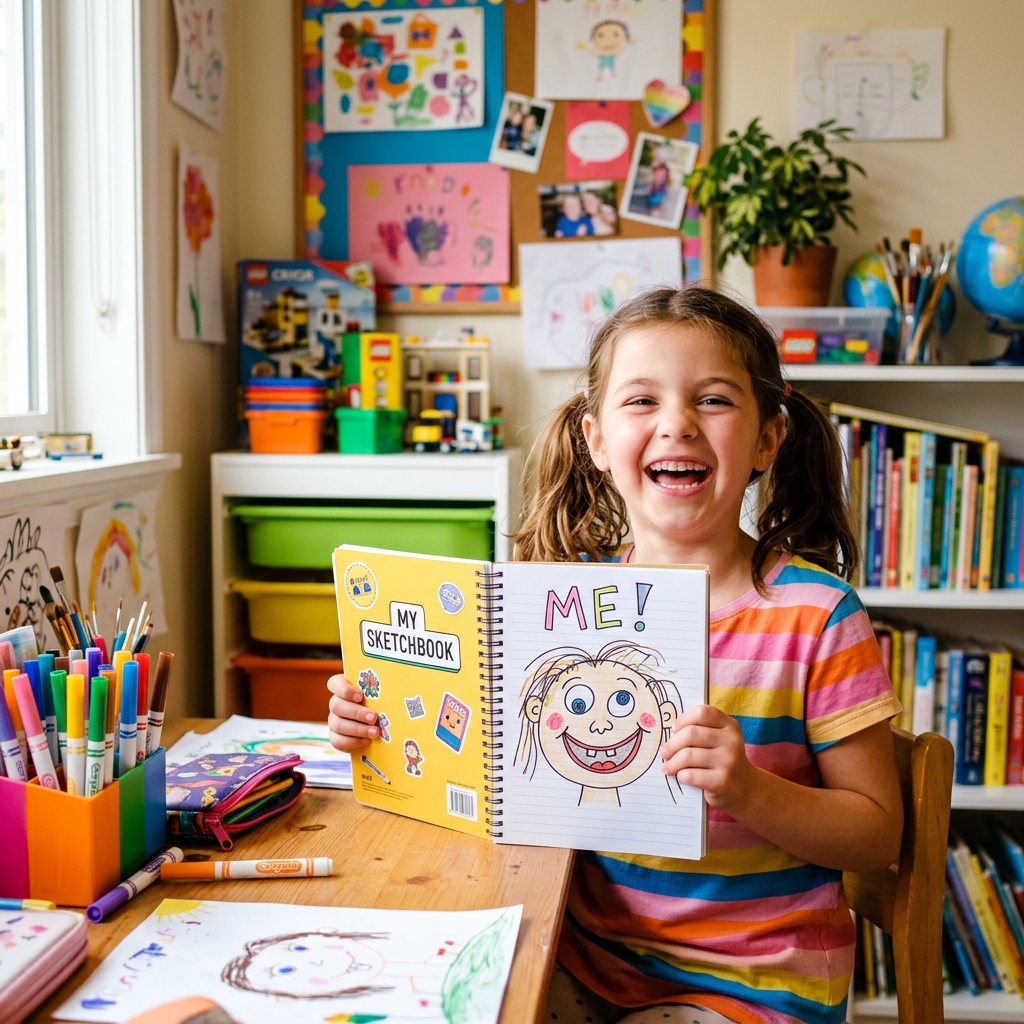
Not every writing session needs to be serious. Funny writing prompts for students and fun writing prompts for students are perfect for breaking the ice, lightening the mood, and reminding young writers that words can be joyful. Laughter is one of the best motivators for reluctant writers.
Silly and Absurd Prompts
- You open your lunchbox and your sandwich starts talking to you. What does it say?
- Aliens land on Earth, but they only want to learn how to do one thing: the latest dance trend.
- Your principal announces that from now on, Fridays are officially Pizza Appreciation Day. Write the school announcement.
- You accidentally invent a new ice cream flavor that gives people the hiccups. What do you name it?
- Every time someone says the word "homework," a tiny clown appears. Describe the chaos.
Humorous Scenarios
- You are trapped in a shopping mall after hours with a very polite but very confused robot.
- Your dog runs for class president. Write the campaign speech.
- A genie grants you three wishes, but every wish comes with an annoying side effect.
- You discover that your school bus can fly, but only when no one is looking. Where do you go?
- You are the chosen one, but the prophecy has a typo and now you have to save the world from a mildly annoying problem.
Fun and Playful Writing
- Invent the worst superhero of all time and write their origin story.
- Design the ultimate pizza. It can include any ingredient, real or imagined.
- You find a pair of shoes that make you incredibly lucky, but only on Wednesdays.
- Write a story told entirely from the perspective of a lost sock.
- Your classroom turns into a jungle overnight. How does your teacher react?
These fun writing prompts for students are especially effective for younger learners and for any student who feels nervous about writing. When the goal is to laugh, the pressure disappears, and the words start flowing.
Reflective Writing Prompts for Students

Reflective writing prompts for students encourage deeper thinking. They ask students to look inward, examine their experiences, and make sense of their emotions and growth. These prompts are ideal for journaling, character education, and building self-awareness.
Prompts About Growth and Learning
- What is one mistake you made this year that taught you something important?
- Describe a moment when you felt really proud of yourself. What led up to it?
- What is a subject or skill that used to be hard for you but is easier now?
- Think about a time you helped someone. How did it make you feel?
- What is one thing you would like to improve about yourself, and what is your first step?
Prompts About Emotions and Feelings
- When do you feel most like yourself?
- Write about a time you felt nervous but did the brave thing anyway.
- What makes you feel calm when everything feels overwhelming?
- Describe a moment when you felt completely understood by someone.
- What is something you wish more people understood about you?
Prompts About Relationships and Others
- Who is someone you look up to, and what have you learned from them?
- Think about a friend who is important to you. What makes your friendship work?
- Write about a disagreement you had. How did you handle it, and what would you do differently?
- What is the kindest thing someone has ever done for you?
- How do you show the people around you that you care about them?
Reflective writing helps students process their experiences and develop emotional intelligence. These prompts work beautifully as weekly journal entries or as part of a social-emotional learning curriculum.
Daily Writing Prompts to Build a Habit
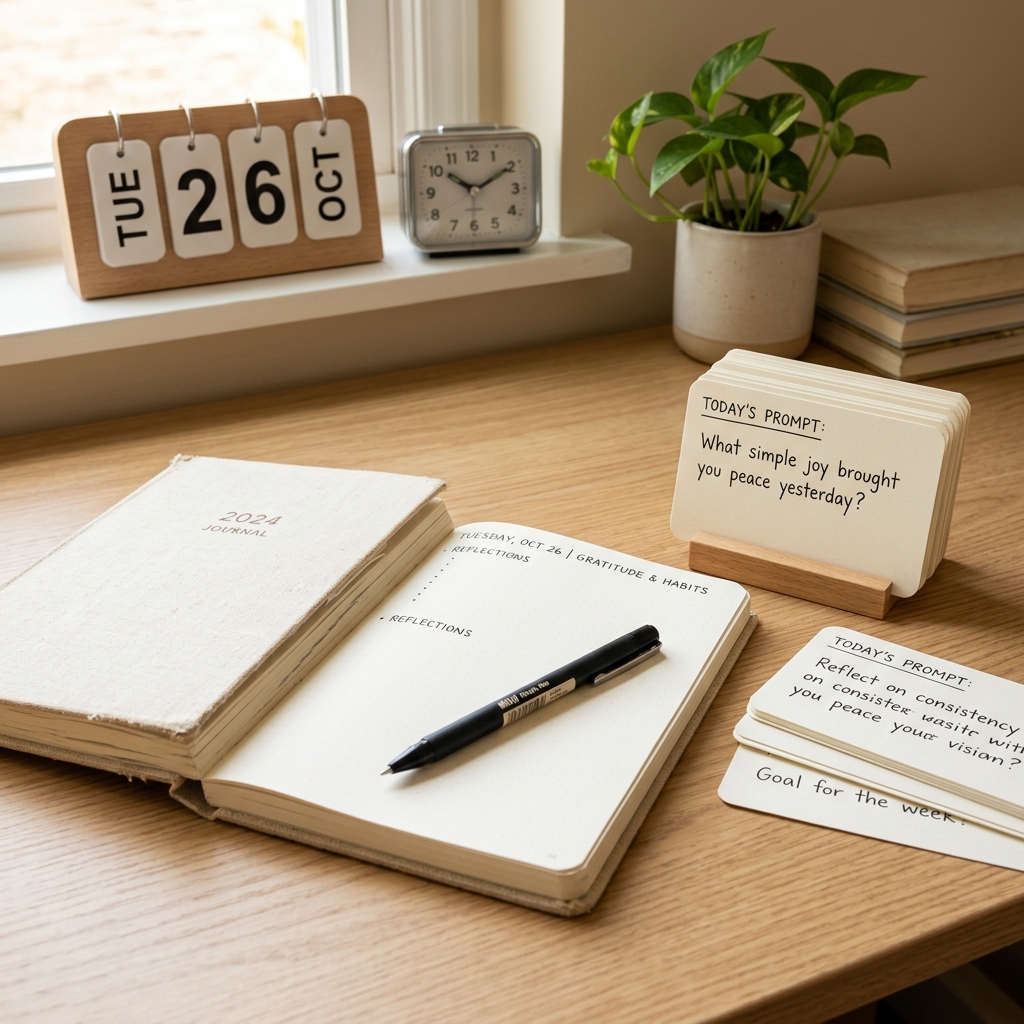
Consistency is the secret to becoming a better writer. Daily writing prompts for students help build a habit by making writing a regular, low-pressure part of the day. The goal is not perfection. The goal is practice.
Benefits of Daily Writing Practice
When students write every day, even for just five or ten minutes, several things happen. Their ideas flow more easily. Their vocabulary expands. Their confidence grows. And perhaps most importantly, writing stops feeling like a punishment and starts feeling like a routine they own.
Daily writing also creates a record of growth. A student who looks back at their journal from six months ago can see real improvement, which is incredibly motivating.
One Week of Daily Writing Prompts
Here is a full week of daily writing prompts to get started:
Monday: 51. If today had a theme song, what would it be and why?
Tuesday: 52. What is one small thing that made you smile yesterday?
Wednesday: 53. If you could instantly become an expert in one subject, what would you choose?
Thursday: 54. Describe the view from your favorite window.
Friday: 55. What is something you are looking forward to this weekend?
Saturday: 56. If you could relive any day from this week, which would it be and why?
Sunday: 57. What are three words that describe how you feel right now?
Tips for Building a Daily Writing Routine
- Set a specific time each day, even if it is only five minutes.
- Keep a dedicated notebook or digital document for daily writing.
- Do not worry about spelling or grammar during free writing sessions.
- Let students choose which prompt speaks to them each day.
- Celebrate consistency over quality, especially in the beginning.
Gratitude Writing Prompts for Students
Gratitude writing prompts for students are a powerful tool for building positivity and emotional well-being. Research shows that practicing gratitude regularly can improve mood, increase resilience, and even enhance academic focus. These prompts guide students to notice and appreciate the good in their lives.
Gratitude for People
- Write a thank-you letter to someone who has helped you, even if you never send it.
- Who is a teacher who has made a difference in your life? What did they do?
- Think of a family member you are grateful for. Describe a favorite memory with them.
- Who is someone in your school who always makes your day better?
- Write about a stranger who did something kind for you.
Gratitude for Experiences
- What is a place that makes you feel happy and peaceful? Describe it in detail.
- Describe a skill or talent you are grateful to have.
- What is a book, movie, or song that changed the way you think?
- Think about your favorite meal. Why are you grateful for it?
- What is a memory that always makes you smile when you think about it?
Gratitude for the Little Things
- List five small things that made today better.
- What is something in nature that you are grateful for?
- Describe a comfort in your daily life that you usually take for granted.
- What is a sound, smell, or feeling that you love?
- What is one thing about yourself that you are grateful for?
Gratitude journaling is especially effective at the start or end of the school day. It sets a positive tone and helps students develop a habit of noticing the good around them.
January Writing Prompts for Students

January is a natural time for fresh starts, reflection, and new goals. January writing prompts for students tap into the energy of a new year while also embracing the cozy, indoor mood of winter. These prompts are perfect for the first weeks back after the holiday break.
New Year and Goals
- What is one word you want to define your year? Explain your choice.
- What are three goals you have for yourself this year?
- If you could create one new habit this year, what would it be and why?
- What is something from last year that you want to leave behind?
- Imagine it is December 31st. Write a letter to yourself describing the great year you had.
Winter and Imagination
- You wake up to find your entire town covered in snow, and school is canceled for a week. How do you spend day one?
- A snowman you built last night comes to life. What is the first thing he says?
- You discover a frozen lake with something glowing beneath the ice.
- Describe the coziest place you can imagine on a cold January evening.
- If winter had a personality, what would it be like?
Fresh Starts and Reflection
- What is something new you would like to try this winter?
- Write about a time you started something new and how it felt.
- What does a fresh start mean to you?
- If you could press a reset button on one part of your life, what would you change?
- Describe the perfect January morning from start to finish.
These prompts are ideal for the first month of the calendar year but work well any time students need a sense of renewal and fresh thinking.
Writing Prompts for High School Students

Writing prompts for students high school need to be more mature, thought-provoking, and open-ended. Older students are ready to tackle complex themes, argue opinions, and explore identity. These prompts are designed to challenge and inspire teen writers.
Argumentative and Opinion Prompts
- Should social media platforms have age limits? Argue your position.
- Is it better to be respected or liked? Defend your answer.
- Does technology bring people closer together or push them further apart?
- Should students be required to learn a second language? Why or why not?
- Is failure more valuable than success? Make your case.
Personal Narrative Prompts
- Describe a moment that changed the way you see the world.
- Write about a time you had to stand up for what you believed in.
- What is the most important lesson you have learned outside of school?
- Describe a relationship that has shaped who you are.
- Write about a time you felt completely out of your comfort zone.
Philosophical and Ethical Prompts
- If you could know the answer to one question about the future, would you want to? What would you ask?
- What makes a life meaningful?
- Is it ever okay to break a rule for a good reason? Where do you draw the line?
- What is something society considers normal that you think should be questioned?
- If you could give one piece of advice to every incoming freshman, what would it be?
Creative and Literary Prompts for Older Students
- Write a short story that ends with the line: "And that was the last time I ever trusted a map."
- Describe a future version of your city fifty years from now.
- Retell a well-known fairy tale from the villain's perspective.
High school students benefit from prompts that respect their maturity and intelligence. These questions encourage deep thinking, honest reflection, and the development of a personal writing voice.
How to Use These Writing Prompts Effectively
Having a collection of prompts is only the first step. How you use them determines how much students get out of the experience. Here are practical strategies for getting the most from writing prompts for students, whether in the classroom or at home.
Tip 1: Start Small and Keep It Low Pressure Do not assign a full essay on day one. Begin with five to ten minutes of free writing. Let students write without worrying about grammar, spelling, or structure. The goal at first is simply to get words on the page.
Tip 2: Let Students Choose Choice is a powerful motivator. Instead of assigning one prompt to the whole class, offer three or four and let students pick the one that speaks to them. This builds ownership and engagement.
Tip 3: Mix Prompt Types Balance creative prompts with reflective ones. One day might feature a funny prompt, the next a gratitude prompt. Variety keeps writing fresh and helps students discover what they enjoy.
Tip 4: Create a Safe Space for Sharing Invite students to share their writing, but never force it. When students feel safe to read their work aloud without judgment, confidence grows. Establish ground rules for respectful listening and feedback.
Tip 5: Use Prompts Across Subjects Writing prompts are not just for English class. Science teachers can ask students to write from the perspective of a cell. History teachers can prompt students to write a diary entry from a historical figure's point of view.
Tip 6: Build Toward Longer Pieces Use short prompts as warm-ups for longer writing assignments. A creative prompt might spark an idea that becomes a full short story or personal narrative.
Tip 7: Keep a Portfolio Encourage students to save their writing in a folder or digital file. Looking back at past work builds confidence and shows measurable growth over time.
Download Our Free Writing Prompts for Students PDF
Want all of these prompts in one convenient, printable format? We have compiled our entire collection into a free writing prompts for students PDF. It is organized by category, designed for easy classroom use, and ready to print or share digitally.
What is included in the PDF:
- Over 200 prompts across all categories in this article
- Creative writing prompts for storytelling and imagination
- Funny and fun prompts for reluctant writers
- Reflective and gratitude prompts for emotional growth
- Daily prompts for building a consistent writing habit
- January-themed prompts for the new year
- High school-level prompts for older students
- Printable prompt cards for classroom activities
- A blank template for students to write their own prompts
The PDF is perfect for teachers, homeschooling parents, tutors, and students who want a ready-to-use resource. Print individual pages, display prompts on a classroom board, or distribute the full packet for a semester of writing inspiration.
How to get the PDF: Simply enter your email address below, and we will send the writing prompts for students PDF directly to your inbox. No cost, no spam, just a useful tool to support young writers.
Get the Free Writing Prompts PDF
Frequently Asked Questions
Q: What are writing prompts for students?
Writing prompts for students are short ideas, questions, or scenarios that give young writers a starting point for their writing. They help eliminate the fear of the blank page and encourage creativity, reflection, and consistent practice.
Q: How do writing prompts help students improve?
Writing prompts help students improve by making writing a regular habit. They encourage creative thinking, build vocabulary, develop voice and style, and provide a safe space for self-expression. Over time, consistent practice with prompts leads to stronger writing skills.
Q: What age group are these writing prompts suitable for?
The prompts in this collection are designed for a wide range of ages. Younger students will enjoy the funny and creative prompts, while older students and teens can tackle the reflective, argumentative, and high school-level prompts. Teachers and parents can choose prompts based on each student's level.
Q: How often should students use writing prompts?
Ideally, students should write daily, even if only for five to ten minutes. Daily writing prompts for students are a great way to build consistency. However, even using prompts two or three times a week can produce noticeable improvement over time.
Q: Can writing prompts be used for subjects other than English?
Absolutely. Writing prompts work across all subjects. Science teachers can use prompts to explain concepts creatively, history teachers can ask students to write from a historical perspective, and math teachers can use prompts to explain problem-solving in words.
Q: What if a student does not like the prompt they are given?
Choice is key. Whenever possible, offer students a selection of prompts and let them choose the one that interests them most. Allowing students to modify or adapt a prompt also increases engagement and ownership.
Q: Is there a free PDF of writing prompts for students?
Yes. We offer a free writing prompts for students PDF that includes all the prompts from this article, organized by category and ready to print. Enter your email in the download section to receive your copy.
Q: How long should a student write in response to a prompt?
For daily or warm-up writing, five to ten minutes is usually enough. For deeper assignments, students can spend twenty to thirty minutes developing a fuller response. The length matters less than the consistency of the practice.
Q: Are these prompts suitable for homeschooling?
Yes. These prompts are an excellent resource for homeschooling families. They can be used for daily journaling, creative writing assignments, or as warm-ups before other subjects. The PDF version is especially convenient for home use.
Q: Can writing prompts help reluctant writers?
Definitely. Reluctant writers often struggle with knowing where to start. Funny and fun writing prompts for students are particularly effective because they lower the pressure and make writing feel playful rather than like a chore.
You May Also Like
Read more tips, guides, and creative writing strategies:
150+ Kindergarten Writing Prompts: Spark Early Literacy and Creative Joy (2026 Guide)
2026-07-14 • 43 min read
125+ Writing Prompts for Kids: Spark Creativity and Build Writing Skills
2026-07-13 • 37 min read
175+ Fantasy Writing Prompts: Magical Ideas to Spark Your Imagination (2026 Guide)
2026-07-11 • 35 min readRoll the Story Builder Dice!
Feeling stuck? Roll our interactive story dice to generate thousands of unique, creative writing prompts instantly and start writing.
Play Game 🎲